AI Operations
Business intelligence (BI) is an important aspect of modern decision-making in companies. It refers to the use of data, technologies, and analytical methods to transform raw data into actionable insights that support effective decision making. BI helps companies use their data assets to gain a competitive advantage, improve operational efficiency, and make better decisions. Whether it's identifying trends in sales data, predicting future demand, or optimizing supply chains, business intelligence provides valuable insights that drive business success.
BI tools and techniques are used to collect, store, analyze, and present data in a meaningful way to support decision-making. Common BI tools and techniques include: data warehousing, data mining, dashboards and visualizations, predictive analytics, online analytical processing (OLAP), reporting, and scorecards and key performance indicators (KPIs). With these tools, companies can turn data into actionable insights that support effective decision making and drive business success.
These techniques are also used in other data-oriented disciplines, such as big data analytics, data science, and data engineering. The goal of all of these areas is the optimal use of data to support decision-making. The most well-known aspects of BI include creating dashboards and visualizations, creating reports, and constructing KPIs. However, BI professionals also offer low-code solutions for enterprise applications, automate common data transformations, and help other stakeholders select and organize data that meets their specific requirements.
A frequently used tool for basic BI tasks is Microsoft Excel, a well-known and widely used program. Although Excel is often used for BI purposes due to its widespread use and user-friendly interface, it has its limits when it comes to processing large amounts of data, collaborating, and visualizing data. For more complex and demanding BI requirements, companies may need to use specialized BI tools that offer additional features and capabilities. Some of the most popular BI tools — Power BI and Tableau — are considered to be more sophisticated BI solutions with advanced features and capabilities compared to Excel. These tools offer improved data visualization and reporting, easy integration with a wide range of data sources, and advanced analytics capabilities, making them ideal for companies with complex data analysis needs.
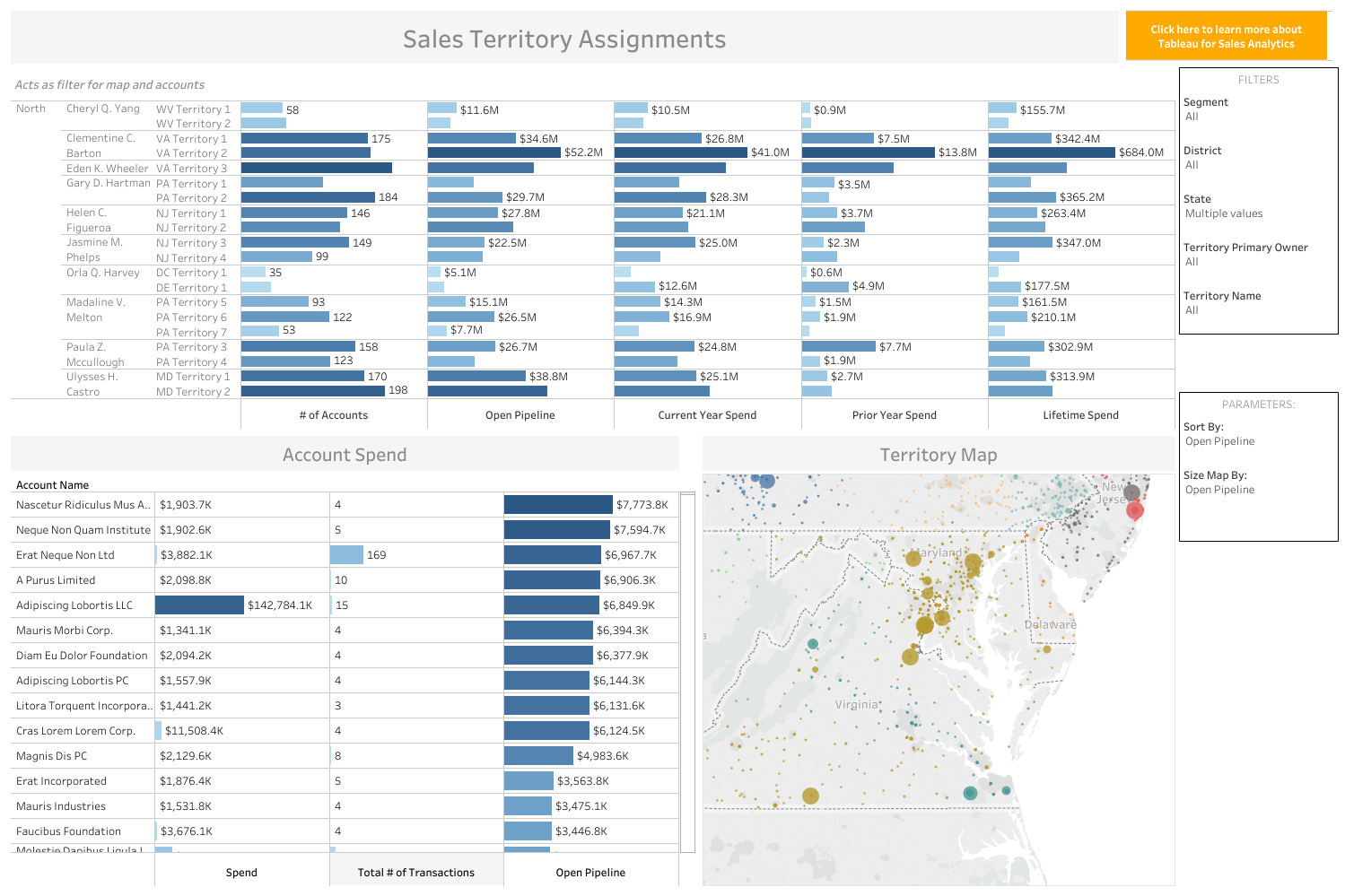
Tableau, for example, is presenting its Sales Territory Assignments dashboard, which is intended to help sales teams optimize their performance. Through a proactive approach to area planning, it is possible to increase sales by up to seven percent without using additional resources. To effectively balance workloads and identify untapped opportunities, it's important to have access to data that provides insight into key sales metrics and KPIs for each territory. (Source: Follow link - point 4)

Power Automate is one of Microsoft's many offerings for business intelligence. It acts as a tool to automate common data transformations and tasks, such as data extraction, cleansing, and transfer, allowing BI teams to save time and minimize errors. By automating these tasks, Power Automate can help BI teams save time and reduce the risk of errors so they can focus on more strategic tasks. Power Automate is a valuable tool for healthcare that faces many challenges due to excessive amounts of paper. It is often used to automate time-consuming and repetitive healthcare processes, such as transferring test results to the electronic health record system (EHR) and processing COVID-19 test kits. In addition, with PowerAutomate, healthcare organizations can automate the process of setting policies and granting user permissions, saving valuable time and reducing the risk of errors.
Another example of BI is paginated reports in Power BI, which can process large amounts of data and present it in a structured, tabular format. They offer better performance and more features than traditional Power BI reports, such as fixed headers and footers, tables and matrices, and a limited set of interactive features. They are often used in scenarios where a detailed, formatted report is required, such as invoices, orders, or financial statements. The data displayed in a paginated report is usually well-organized and easy to read, making it ideal for scenarios where data must be presented clearly and concisely. In summary, business intelligence is an important aspect of modern data-driven companies. By using a combination of techniques, tools, and best practices, companies can turn their data into actionable insights, make informed decisions, and drive growth. With the increasing need for data-based decision-making, BI has become an essential part of companies. With a wide range of options, such as Power BI, Tableau, Excel, Power Automate, and others, companies can find a solution that meets their needs, goals, and budget. Whether it's a small business or a large corporation, investing in a BI strategy and tool can help you unlock the full potential of your data, improve efficiency, and achieve the results you want.


The EU wants independence in artificial intelligence. 200 billion euros are set to flow, gigafactories are to be built, and a homegrown champion has been found. But is it enough to compete with the US and China?

AI doesn't change whether people are needed. It changes what they're needed for. Companies that understand this pull the decisive lever. The rest invest blindly. Five imperatives for decision-makers who want to make the difference.

Artificial intelligence optimises networks, improves customer service through personalised chatbots, and enables new data-driven business models. However, challenges such as data privacy must be addressed. AI offers great potential for the industry.